
Towing for property managers Santa Cruz management companies set up once and stop thinking about. A standing agreement covers every property in your portfolio, on-site staff call one number at any hour, and every tow is documented so the file is ready if a resident or driver disputes it. This is the account-based version of our private property towing in Santa Cruz service, built for managers rather than single owners.
Whether you manage three apartment buildings on the Westside, an HOA in Aptos, or a shopping center in Capitola, the process is the same: compliant signage, written authorization on file, removal with photos, and the police notice filed within the required window.
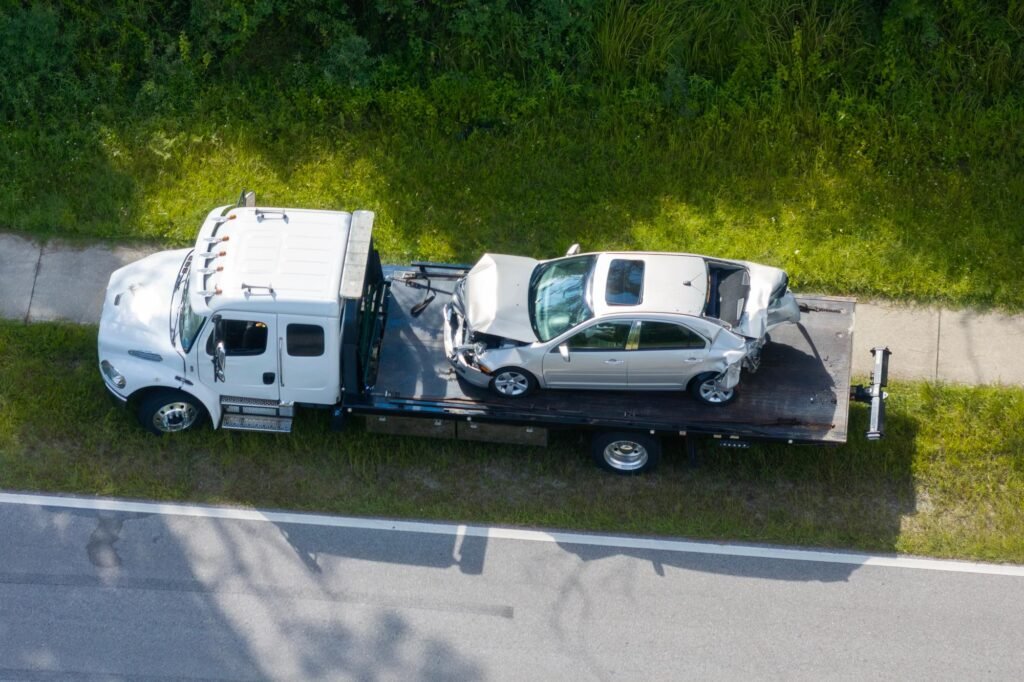
An HOA towing agreement is the most requested form of towing for property managers Santa Cruz associations use, because it gives the board a legal, repeatable way to enforce guest parking limits, RV and trailer rules, and inoperable vehicle rules without a board member having to argue with a neighbor in the driveway. The agreement names who may authorize a tow, what notice residents receive, and how the tow is documented. Once signed, the management company or the on-site contact calls, and the process runs the same way every time.
For associations in Scotts Valley, Aptos, and the Soquel hills, we also review the CC&R parking language against state law, because an HOA rule that conflicts with the Vehicle Code produces tows that do not hold up.
Managers of several complexes deal with the same complaints at each one: tenants who cannot get into their assigned space, visitors who stay for days, and vehicles that have not moved in months. Apartment complex towing under a standing agreement means each property has its own signage record, its own authorized callers, and its own tow history, all under one account. Staff at any building call the same number and get the same process.
Documentation is per tow and per property, so when a resident at one building disputes a removal, the file for that building and that tow is ready without searching through others. That is the part of towing for property managers Santa Cruz firms tell us saves them the most time.
Shopping centers on 41st Avenue, office parks in Scotts Valley, and the rest of the towing for property managers Santa Cruz retail accounts we hold, and mixed-use buildings downtown lose customer parking to commuters, employees of neighboring businesses, and overnight parkers. Commercial parking enforcement starts with signage that meets the Vehicle Code at every entrance and continues with removal of vehicles that ignore it. Most lots see the problem drop sharply within a few weeks of consistent enforcement, because word travels.
Time-limited customer parking, employee-only areas, and loading zones each have their own enforcement rules. We set those out in the agreement so the property is not exposed to a wrongful tow claim.
Fire lanes, marked ADA spaces, and spaces blocking a dumpster or a driveway can be enforced immediately once properly marked, with no waiting period. Fire lane towing is also the category where property managers carry the most liability if they do nothing, because a blocked lane during an emergency is a serious problem for the property. A standing agreement lets on-site staff call the moment a vehicle is in the lane, at any hour.
The truck photographs the curb markings and the sign from the vehicle’s position before loading, so the immediate-removal basis is documented.
Setting up a multi-property towing account takes one site visit per property for signage and one signed agreement for the portfolio. From then on, each tow generates a record with the property name, the authorizing person, the time, the photos, and the notice filed. Monthly, the management company receives a summary by property, which boards and owners appreciate at review time.
Adding a property later is a signage check and a one-page addendum. Removing one is a phone call. The account is built so that towing for property managers Santa Cruz companies does not become another vendor to chase.
California law puts the risk of an improper tow on the person who authorized it, which is usually the manager. Every call we take is checked against the three requirements: compliant signage, written authorization from a named person, and the law enforcement notice filed within one hour. If any of the three is missing, the dispatcher says so and the tow waits until it is in place.
That discipline is why towing for property managers Santa Cruz firms keep with us for years. A tow that cannot be defended costs more than the parking problem it solved.
We have handled towing for property managers Santa Cruz County since the 1970s, long enough to have seen every way a tow gets challenged and to have built a process that survives it. The trucks run 24 hours a day from Winkle Avenue, the dispatcher knows the rules by heart, and the paperwork is done before the truck moves. For managers, that means one call, one record, and no surprises.
To set up an account for your properties, or to talk through signage at a lot that has never been enforced, Santa Cruz Aptos Auto Towing is (831) 464-1155. A site visit can usually be scheduled within the week.
Towing for property managers Santa Cruz standing agreements and single-property enforcement are available for apartments, HOAs, retail centers, office parks, and mobile home communities throughout the county, from the Westside of Santa Cruz to the Pajaro Valley.
 Posted on Google

 inprobisacion Garzon
Trustindex verifies that the original source of the review is Google.
They charge you more money than what is written and they don't give you explanationsPosted on Google Ben Clark
Trustindex verifies that the original source of the review is Google.
The owner Mark is a super nice guy, and very helpful and responsive. The process of getting my car towed and scrapped was easy as pie, and completely painless.Posted on Google Tiffany WeberPosted on Google
 music philPosted on Google
 chilly mumble
No. The vehicle owner pays the tow and storage when the vehicle is released. The agreement defines the process; it does not bill the property for authorized tows.
The named people in the agreement, usually the property manager, assistant manager, and on-site staff. Residents and board members who are not named cannot authorize a tow, which protects the property.
It depends on the space and the property type. Fire lanes and ADA spaces need none. Assigned and guest spaces usually require posted signage and, for residents, the notice set out in the lease or CC&Rs. We set this out per property.
Yes. One agreement covers the portfolio; each property gets its own signage record and authorized caller list as an addendum.
We provide the photos, the authorization, and the notice record for that tow. Disputes are rare when the documentation is complete, and the file is ready the same day.